<body><script type="text/javascript"> function setAttributeOnload(object, attribute, val) { if(window.addEventListener) { window.addEventListener('load', function(){ object[attribute] = val; }, false); } else { window.attachEvent('onload', function(){ object[attribute] = val; }); } } </script> <div id="navbar-iframe-container"></div> <script type="text/javascript" src="https://apis.google.com/js/platform.js"></script> <script type="text/javascript"> gapi.load("gapi.iframes:gapi.iframes.style.bubble", function() { if (gapi.iframes && gapi.iframes.getContext) { gapi.iframes.getContext().openChild({ url: 'https://www.blogger.com/navbar/1042626312146086864?origin\x3dhttp://medreader.blogspot.com', where: document.getElementById("navbar-iframe-container"), id: "navbar-iframe" }); } }); </script>

Blog Team

Archives

August 23, 2007

Toothbrushing May Strengthen Gums


It may seem contradictory, but the cell damage caused by brushing your teeth may help keep your gums healthy, U.S. researchers say.

Toothbrush bristles tear holes in the epithelial cells that line the gums and tongue, causing a momentary rupture, explains a team at the Medical College of Georgia.

Calcium (which is abundant in saliva) then moves into the cells and triggers internal membranes to move up and patch the holes, the researchers reported in the August issue of the Journal of Dental Research.

This repair takes a few seconds. During that time, growth factors that promote the growth of collagen, new blood cells and blood vessels leak out of the damaged epithelial cells. The injury to these cells also turns on expression of a gene that's often activated under stress and may be the first step in a response such as cell division or growth, the researchers said.

More information
The American Dental Association has more about cleaning your teeth and gums.

| Tags: Oral Care |

Labels: ,

August 13, 2007

Personality may influence irritable bowel syndrome


People who experience high levels of stress and anxiety appear to be more likely to develop irritable bowel syndrome (IBS) following a severe gastric infection, UK and New Zealand researchers report

A variety of studies have suggested that the cause of IBD has psychological and behavioral components, Dr. Rona Moss-Morris of the University of Southampton and Dr. Meagan J. Spence of the University of Auckland point out in the medical journal Gut.

This study shows that various psychological factors, particularly stress, anxiety and a tendency to push oneself to keep going when ill and then collapse in response, interact with the physical illness in causing IBS, Moss-Morris told Reuters Health.


SOURCE: Gut, August 2007.

| Tags: Addiction, Anxiety, Digestive, Personality, Work and Life Health |

Labels: , , , ,

August 10, 2007

Insomnia may lead to toilet visits, study finds


Insomniacs may not only toss and turn all night -- their symptoms may be worsened by a constant need to get up and urinate, Danish researchers reported on Wednesday.

Tests on 20 people who were deliberately deprived of sleep produced more urine at night, and it was saltier than usual, the researchers said. The effects were much stronger in men than in women.

Birgitte Mahler and colleagues at Aarhus University Hospital in Denmark found no differences in urine production or quality during the day in their sleep-deprived volunteers.

Sleep deprivation reduced the usual dip in blood pressure that is seen at night, they found. This, in turn affected blood pressure-related substances such as rennin, angiotensin II and aldosterone, which could have in turn kept the kidneys on a daytime schedule, the researchers said.

The urine of the sleep-deprived volunteers also contained higher than usual levels of sodium and potassium.

| Tags: Anxiety, Sleeping Disorders, Stress |

Labels: , ,

August 6, 2007

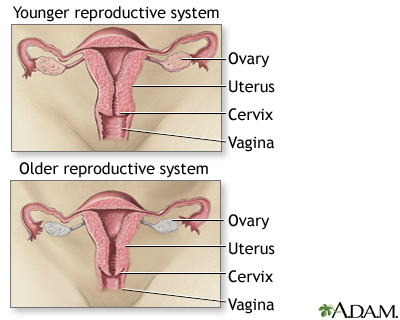
Health Tip: Coping With Menopause


When a woman's menstrual period stops and hormonal changes begin, she is going through menopause. Symptoms, including hot flashes, can range from mild to severe.

The U.S. Department of Health and Human Services offers these suggestions to help alleviate menopausal symptoms:
- To help prevent hot flashes, avoid hot or spicy foods and beverages, stress and being in very warm places. Also, dress in layers.
- For vaginal dryness, try an over-the-counter vaginal moisturizer.
- To help you sleep, get plenty of exercise every day. Also avoid large meals, caffeine, alcohol, smoking or working in the hours before bed.
- To help mood swings, get plenty of regular sleep and exercise.

| Tags: Sexual Health, Women's Health |

Labels: , ,

August 4, 2007

Abstinence Programs Don't Cut HIV Risk

Programs that stress sexual abstinence have had no impact on HIV infection rates in the U.S., according to a new research review. But an abstinence education expert says the study is flawed.

Investigators analyzed findings from 13 studies comparing abstinence-only education to other forms of sexual education or no sexual education at all. Some 16,000 preteens and teens in the U.S. participated in the self-reported studies.

"We found no evidence at all that these abstinence-only programs resulted in lower HIV infection rates for any targeted subgroup," researcher Paul Montgomery, DPhil, of the University of Oxford's Center for Evidence-Based Medicine, tells WebMD.

SOURSE - WebMed

| Tags: Addiction, Depression, HIV and AIDS |

Labels: , , ,

July 28, 2007

Health Tip: Causes of Fainting

Fainting occurs due to a sudden drop in blood flow to the brain, resulting in brief loss of consciousness. Fainting can be accompanied by dizziness or nausea.

Here are some common triggers, courtesy of the U.S. National Library of Medicine:

- Straining during urination or a bowel movement.
- Excessive coughing.
- Standing for too long in the same position, or quickly standing up from a lying position.
- Severe pain, stress, fear or emotional distress.
- Excessive bleeding or dehydration.
- Medications used to treat conditions like high blood pressure, anxiety, allergies and nasal congestion.
- Use of drugs or alcohol.
- Low blood sugar.

Sourse - HealthDay News

Labels: , ,

July 21, 2007

Steps Prior to Pregnancy Can Protect Baby

Planning ahead before pregnancy helps new moms give their babies the best possible start in life, experts say.


And to help in that planning, here's an eight-step pre-pregnancy checklist from Barbara Coulter-Smith, a Texas obstetrician/gynecologist at Baylor Regional Medical Center at Grapevine:

Take folic acid supplements. Folic acid is a B vitamin that reduces the risk of neural tube defects such as spina bifida. Few women get enough folic acid in their diet, so it's important to take supplements. Talk with your doctor.
Make sure all your vaccinations are up to date, including immunization against chickenpox and rubella. You should also be up to date on your tetanus shot (every 10 years).
Don't smoke while trying to get pregnant or during pregnancy. Smoking can increase the risk of miscarriage and of low-birth-weight babies. Do not drink alcohol when you're pregnant.
Maintain a healthy weight. Being overweight can increase the risk of gestational diabetes and other pregnancy-related complications.
Exercise helps you maintain or lose weight and helps you manage stress. If you do get pregnant, talk to your doctor about the kinds of exercise that are safe to do during pregnancy.
If you have a chronic medical condition, talk to your doctor about the health risks of pregnancy and about which prescription medications you can still take during pregnancy. It's also important to tell your doctor about any family history of hereditary disorders before you start planning a pregnancy.
After stopping the use of contraception, wait for one spontaneous menstrual cycle before trying to conceive. A normal menstrual cycle signals that the lining of the uterus is healthy enough to support a new life.
Men also need to do some pre-pregnancy planning. Avoid hot tubs, saunas, smoking and alcohol, all of which can affect sperm count.

More information
The U.S. National Women's Health Information Center offers more pre-pregnancy advice.

| Tags: Addiction, Pregnancy, Sexual Health, Women's Health |

Labels: , , , , ,

July 13, 2007

Health Tip: Tame Symptoms of PMS


Premenstrual syndrome (PMS) affects many women just before their menstrual cycles. Common symptoms include cramps, bloating, fatigue and moodiness.

Here are suggestions on how to help curb PMS, courtesy of the U.S. Department of Health and Human Services:
- Get regular exercise.
- Eat plenty of fruits, vegetables and whole grains, and avoid foods high in salt, sugar, caffeine and alcohol.
- Try to get at least eight hours of sleep each night.
- Avoid smoking.
- Keep stress at bay. Diversions might include talking to friends or writing in a journal.

Sourse - HealthDay News

| Tags: Sexual Health, Smoking Cessation, Stress, Women's Health |

Labels: , , ,

July 10, 2007

When Your Child Is Stressed


Problems at school, home, or frustrations with friends can all lead to stress in children. Like adults, children need to learn healthy outlets for stress, and how to deal with their emotions.

Here are suggestions to help your child when she's stressed, courtesy of the Nemours Foundation:

Encourage her to talk to people she trusts -- if not you, then a teacher, counselor or relative.
Help her work out her stress, by biking or walking, listening to music, or writing in a journal.
Don't let her take stress out on herself.
Once she's calm, work with her to figure out a solution to the problem that's causing her stress.
Try to keep her feeling positive -- there are few problems that can't be solved, and stress is only temporary.

Sourse - HealthDay News

| Tags: Anxiety, Children's Health, Stress |

Labels: , ,

July 8, 2007

Stress, depression may hike memory problems


Resulting brain changes associated with Alzheimer’s disease.

People who are often stressed out or depressed are far more likely to develop memory problems than those with sunnier dispositions, U.S. researchers said on Monday in a finding that sheds light on early predictors of Alzheimer’s disease.

They said those who most often are anxious or depressed were 40 times more likely to develop mild cognitive impairment, a form of memory loss that is often a transitional stage between normal aging and dementia.

“Not only are these individuals losing cognition, but they are showing many of the changes in the brain that are associated with Alzheimer’s disease,”

| Tags: Anxiety, Depression, Stress |

Labels: , ,

July 5, 2007

Hunger protein links stress, obesity


A neurotransmitter that acts as a central controller for appetite also regulates stress-induced obesity in the body's periphery, according to a paper in this month's Nature Medicine. The authors found that abdominal fat increased in stressed mice through the actions of neuropeptide Y (NPY) and one of its receptors. Blocking this receptor's signaling prevented stress-induced obesity.

"It's really quite an important study, both from a basic point of view as well as for potential clinical applications," said Esther Sabban of New York Medical College in Valhalla, who was not involved in the work.

| Tags: Digestive, Stress |

Labels: ,

July 4, 2007

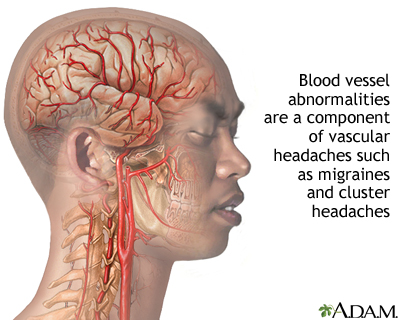
Poorer Kids at Higher Migraine Risk


Adolescents from poorer families are more likely to suffer from migraines than their better-off peers, a new study finds.

This relationship even applied to teens whose parents had no history of migraine, the researchers add.

The findings suggest that factors tied to low income -- such as stress, poor diet and limited access to medical care -- may contribute to migraines.

"Certainly if you look at some of the triggers for migraine being skipping meals, poor sleeping habits, stress, you can see where that would fall in with kids who may be worrying about where they're getting their next meal or getting to bed at a decent time," said Dr. Patricia Stewart-Foulks, assistant professor of pediatrics at Texas A&M Health Science Center College of Medicine and a pediatrician with Scott & White Hospital health centers.

Sourse - HealthDay News

| Tags: Sleeping Disorders, Stress |

Labels: , ,

April 25, 2007

Misconceptions About Irritable Bowel Syndrome


Irritable bowel syndrome (IBS) is a common disorder that affects 10 percent to 15 percent of people in the United States but is misunderstood by many patients and doctors, says Dr. William D. Chey, a gastroenterologist at the University of Michigan Health System.

Symptoms of IBS include cramping, abdominal pain, bloating, constipation and diarrhea. To help people with IBS gain a better understanding of the condition, Chey offered the following information about the condition:

IBS does not exist in the patient's head. While psychological distress or stress can make IBS worse, they're not the primary cause of the condition in most cases.
IBS occurs more frequently in women but "it's important that people know that there are many men diagnosed with IBS, and it also affects the elderly.
IBS can have a significant negative effect on quality of life and the ability to function on a day-to-day basis, and should be taken seriously by both doctors and patients.
Lactose intolerance may play a role in some cases of IBS, but it's not the cause of symptoms in the vast majority of people.

Most people with IBS don't need to limit themselves to bland diets. Chey recommended that patients keep a diary of the food they eat and IBS symptoms. "At the end of a two-week period, it's possible to get a fairly good idea about whether there are specific trigger foods associated with the onset of symptoms. Those foods then can be easily eliminated from a patient's diet," he said. Chey noted that fatty foods, milk products, chocolate, alcohol, caffeine and carbonated drinks are more likely to aggravate IBS symptoms.

Thanks Chey, for your guidelines, "patients diary" its great idea.

| Tags: Digestive, Men's Health, Stress, Women's Health |

Labels: , , ,