<body><script type="text/javascript"> function setAttributeOnload(object, attribute, val) { if(window.addEventListener) { window.addEventListener('load', function(){ object[attribute] = val; }, false); } else { window.attachEvent('onload', function(){ object[attribute] = val; }); } } </script> <div id="navbar-iframe-container"></div> <script type="text/javascript" src="https://apis.google.com/js/platform.js"></script> <script type="text/javascript"> gapi.load("gapi.iframes:gapi.iframes.style.bubble", function() { if (gapi.iframes && gapi.iframes.getContext) { gapi.iframes.getContext().openChild({ url: 'https://www.blogger.com/navbar/1042626312146086864?origin\x3dhttp://medreader.blogspot.com', where: document.getElementById("navbar-iframe-container"), id: "navbar-iframe" }); } }); </script>

Blog Team

Archives

August 22, 2007

Health Tip: Before a Colonoscopy


A colonoscopy -- used to detect colon cancer and other potential problems -- involves use of a long, flexible tube with a camera that takes images of the colon.

Before having a colonoscopy, you should follow certain do's and don'ts to ensure an accurate procedure. This list is provided by the U.S. National Digestive Diseases Information Clearinghouse:

- Avoid all solid foods and any beverages with food coloring for one to three days before a colonoscopy.
- You may eat fat-free bouillon or broth soups, or gelatin.
- You may drink water, strained fruit juice, plain coffee, plain tea or diet soda (no food coloring).
- As certain medications may affect your results, tell your doctor if you are taking aspirin, arthritis medications, blood thinners, medications for diabetes, or any vitamins containing iron.

| Tags: Cancer, Digestive |

Labels: , , , ,

August 13, 2007

Personality may influence irritable bowel syndrome


People who experience high levels of stress and anxiety appear to be more likely to develop irritable bowel syndrome (IBS) following a severe gastric infection, UK and New Zealand researchers report

A variety of studies have suggested that the cause of IBD has psychological and behavioral components, Dr. Rona Moss-Morris of the University of Southampton and Dr. Meagan J. Spence of the University of Auckland point out in the medical journal Gut.

This study shows that various psychological factors, particularly stress, anxiety and a tendency to push oneself to keep going when ill and then collapse in response, interact with the physical illness in causing IBS, Moss-Morris told Reuters Health.


SOURCE: Gut, August 2007.

| Tags: Addiction, Anxiety, Digestive, Personality, Work and Life Health |

Labels: , , , ,

July 16, 2007

Health Tip: When Babies Spit Up


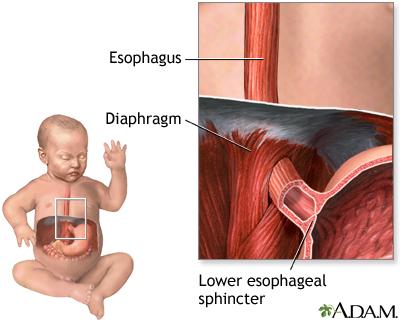
Spitting up, medically called reflux, is common in babies after a feeding.

It's not vomiting, and occurs when food or liquid from the baby's stomach comes back up through the esophagus. It tends to happens after they've eaten too much, or when being burped.

Here are suggestions to help reduce spitting up, courtesy of the American Academy of Family Physicians:
- Feed your baby in an upright position.
- When bottle feeding, stop to burp the infant every three to five minutes.
- Don't lay your baby down right after a feeding.
- Add rice cereal to your baby's formula, with your doctor's approval.
- Try feeding less milk more often.

Sourse - HealthDay News

| Tags: Children's Health, Digestive |

Labels: ,

July 15, 2007

Pack Health Into Your Summer Holiday


Planning for your summer vacation involves more than looking at brochures, packing, and traveling to your destination. You also need to protect your health, says Dr. Kathy Alvarez, a family medicine physician at Baylor All Saints Medical Center in Forth Worth, Texas.

She offers the following advice for having a healthy vacation:

- Talk to you doctor about where you're going and whether you need any immunizations. This is especially important if you're traveling to other countries, but it's also a good idea for those traveling in their own countries.
- Be sure to bring all important health-related information and medical supplies. "Carry a list of the medications you're taking and any allergies you have, your doctor's name and phone number, and your health insurance information," Alvarez said in a prepared statement. "If you take daily doses of medication, pack a couple of extra days' worth just in case your plans change or your transportation home is delayed."
- Do your best to avoid germs in planes, taxis, when exchanging money, and in other travel-related settings and situations. Washing your hands as often as possible can reduce your risk of getting sick.
- Drink only bottled water, which should also be used to brush your teeth. Don't eat any food that's been washed or cooked in water, unless it's been boiled. Don't drink beverages with ice.
- Don't overeat. "Try to limit splurging to only one meal a day, and share high-fat and high-calorie dishes with a friend," Alvarez said. If possible, avoid buffets.
- Stay active on your holidays by planning outings that involve plenty of walking.

More information
The MedlinePlus Medical Encyclopedia offers more travel health tips.

Sourse - HealthDay News

| Tags: Children's Health, Digestive, Public Health and Safety |

Labels: , , ,

July 12, 2007

Cancer risk higher with Western diet


Older Chinese women who eat a Western-style diet loaded with meats and sweets appear to have a greater risk for breast cancer than women who eat mainly soy and vegetables, a new study has concluded.

Previous research has found connections between a meat- and fat-heavy Western diet and several kinds of cancer, as well as heart disease and diabetes. And other research has identified links between obesity and cancer.

Researchers said this study signals a link between breast cancer and overall eating patterns not a single food or nutrient in Asian women, who have long had lower rates of the disease than Western women. But their numbers have started to rise as their diets have become more Westernized.

The study, which is not definitive, looked at general eating habits of about 3,000 women in Shanghai, ranging in age from 25 to 64. About half of that group had been diagnosed with breast cancer and are participants in an ongoing breast cancer study in Shanghai.

| Tags: Breast Cancer, Cancer, Diabetes, Digestive, Heart Health, Nutrition, Women's Health |

Labels: , , , , , ,

July 9, 2007

Ulcer operation may be new way to treat obesity


An old ulcer operation is getting new attention as a possible alternative obesity surgery: a quick snip of a nerve that helps control hunger.
It’s far from clear if cutting the vagus nerve really helps — initial pilot studies in a few dozen patients have just begun. Skeptics abound, and even proponents say it wouldn’t lead to nearly as much weight loss as more traumatic operations that shrink the stomach and reroute intestines.
More than 177,000 people underwent obesity surgery last year, according to the American Society for Metabolic and Bariatric Surgery. The most popular method is gastric bypass, stapling the stomach to create a tiny pouch. Options include placing an adjustable band around the stomach, or cutting off the stomach’s side and rerouting the intestines.

| Tags: Digestive, Weight Loss |

Labels: ,

July 8, 2007

Merlot mouthwash? Wine can fight germs


Drinking wine can maintain heart health, prevent cancer and even settle a mean case of diarrhea. Research now shows it’s also good for your teeth and throat.

According to a new study, a cocktail of compounds found in both red and white wine fights germs that can cause dental plaque as well as sore throats.

“Exposure to wine had a persistent antibacterial effect,” the authors wrote in their study, detailed in an upcoming issue of the Journal of Agricultural and Food Chemistry. Prior to their research, the authors said the effects of wine against germs found in the mouth hadn’t been studied.

| Tags: Cancer, Digestive, Heart Health |

Labels: , ,

July 5, 2007

Healthy Eating for Life for Women (eBook)


By Physicians Committee for Responsible Medicine, Physicians Committee for Responsible Medicine,
Publisher: Wiley
Number Of Pages: 272
Publication Date: 2002-01-18

Book Description:
Eat your way to better health and well-being.
Making simple changes to your diet can significantly improve your health, from easing your menstrual and menopausal symptoms to strengthening your bones and protecting your heart. This book shows you how. Drawing from the latest medical and dietary research, Healthy Eating for Life for Women presents a complete and sensible plant-based nutrition program that will help you look and feel better, with more energy and vitality than ever before.

Women of all ages-daughters, mothers, and grandmothers-will be surprised to learn how what they eat affects so many aspects of their health. This guide explains how the right foods can ease menstrual and menopausal symptoms, strengthen bones, encourage weight loss, protect the heart, and even help prevent certain cancers. It includes 100 delectable recipes that make healthy eating simple for women and their families. Get it

| Tags: Cholesterol, Digestive, Heart Health, Nutrition, Weight Loss, Women's Health |

Labels: , , , , , ,

Hunger protein links stress, obesity


A neurotransmitter that acts as a central controller for appetite also regulates stress-induced obesity in the body's periphery, according to a paper in this month's Nature Medicine. The authors found that abdominal fat increased in stressed mice through the actions of neuropeptide Y (NPY) and one of its receptors. Blocking this receptor's signaling prevented stress-induced obesity.

"It's really quite an important study, both from a basic point of view as well as for potential clinical applications," said Esther Sabban of New York Medical College in Valhalla, who was not involved in the work.

| Tags: Digestive, Stress |

Labels: ,

July 4, 2007

Super Foods for Better Health

1. Sweet Potatoes

A nutritional All-Star — one of the best vegetables you can eat. They're loaded with carotenoids, vitamin C, potassium, and fiber. Bake and then mix in some unsweetened applesauce or crushed pineapple for extra moisture and sweetness.


2. Grape Tomatoes

They’re sweeter and firmer than other tomatoes, and their bite-size shape makes them perfect for snacking, dipping, or salads. They’re packed with vitamin C and vitamin A, and you also get some fiber, some phytochemicals, and (finally) some flavor.


3. Fat-Free or 1 % Milk
Excellent source of calcium, vitamins, and protein with little or no artery-clogging fat and cholesterol. Ditto for low-fat yogurt. Soy milk can have just as many nutrients — if the company adds them.


4. Broccoli

Lots of vitamin C, carotenoids, and folic acid. Steam it briefly and add a sprinkle of red pepper flakes and a dash of soy sauce.


5. Wild Salmon

The omega-3 fats in fatty fish like wild salmon can help reduce the risk of sudden-death heart attacks. And salmon that is caught wild has fewer PCB contaminants than farmed salmon.


6. Crispbreads

Whole-grain rye crackers, like Wasa, Ry Krisp, and Ryvita — usually called crispbreads — are loaded with fiber and often fat-free.


7. Microwaveable (or "10-minute")

Enriched white rice is nutritionally weak. You lose the fiber, magnesium, vitamins E and B-6, copper, zinc, and phytochemicals that are in the whole grain. Try quick-cooking or regular brown rice instead.


8. Citrus Fruit

Great-tasting and rich in vitamin C, folic acid, and fiber. Perfect for a snack or dessert. Try different varieties: juicy Minneola oranges, snack-size Clementines, or tart grapefruit.


9. Diced Butternut Squash

A growing number of food stores sell peeled, seeded, cut, and ready to go — into the oven, into a stir-fry, or into a soup or risotto, that is — bags of diced butternut squash. Every half cup has 5 grams of fiber and payloads of vitamins A and C.


10. Spinach or Kale

Loaded with vitamin C, carotenoids, calcium and fiber.

| Tags: Breast Cancer, Cholesterol, Digestive, Heart Health, Nutrition |

Labels: , , , , ,

July 3, 2007

Fast Food: Advertise vs. Reality

Have you ever received a "less than perfect" looking meal from your favorite fast food restaurant?

For example, have you ever received this?

When based on the Arby's magazine ad you were expecting your roast beef and cheddar to look like this?


You will often see your favorite fast food restaurant running television commercials, newspaper inserts and magazine advertisements displaying appetizing looking breakfast sandwiches, cheeseburgers and salads.

How often, when you get to your local Wendy’s, Arby’s, Burger King, or whomever you’re favorite grab-and-go meal supplier is, does the $1 value meal look as filling and delicious as the meals you saw advertised during your favorite TV show last night?

The following photos show pictures of advertised fast food meals followed by photos of what they really looked like when the consumers took them out of the package.

Let’s start with breakfast. On your commute into work you see a billboard for a Burger King egg, cheese and sausage croissant...

How often after you pull through the drive thru and unwrap your breakfast, does it look like this?


Now, for McDonald's Sausage Breakfast Burrito, advertising shows you:


When in reality, you may be receiving this:

What do you think? Does your favorite fast food look like the advertising? Is this false advertising?

Amy Gifford
Sourse: Inventorspot.com

| Tags: Digestive, Nutrition |

Labels: ,

10 Foods You Should Never Eat

1. Artery Crust

Judging by the label, Pepperidge Farm Roasted White Meat Chicken Premium Pot Pie has 510 calories and 9 grams of saturated fat. But look again. Those numbers are for half a pie. Eat the entire pie, as most people probably do, and you’re talking more than 1,000 calories and 18 grams of sat fat. Then add the 13 grams of hidden trans fat (from the partially hydrogenated vegetable shortening) in each pie and you’re up to 31 grams of artery-clogging fat — that’s far more than a day’s allotment.

2. Strip Tease

McDonald’s Chicken Selects Premium Breast Strips sounds healthy. In fact, ounce for ounce, the Selects are no healthier than the chain’s Chicken McNuggets. A standard, five-strip order has 630 calories and 11 grams of artery-clogging fat. That’s about the same as a Big Mac, except the burger has 1,040 mg of sodium, while the Selects hit 1,550 mg, even without the salty sauce.

3. Factory Reject

Each slice of The Cheesecake Factory’s 6 Carb Cheesecake has 610 calories – that’s the same as you’d get from a slice of its Original Cheesecake. Think of it as an 8-ounce prime rib for dessert — with 29 grams of saturated fat, a 1 1/2 days’ supply. The next time you step on the bathroom scale, you may never know that the carbs were missing.

4. Everlasting Dove

Dove squeezes some 300 calories and an average of 11 grams of saturated fat (half-a-day’s worth) into a tennis-ball size serving (half a cup) of its Dove Ice Cream. That puts it in the same ballpark as Ben & Jerry’s and Häagen-Dazs. With names like “Unconditional Chocolate,” Dove is trying to link chocolate with romance. A scoop of its ice cream will fill your heart all right … but not with love.

5. Starbucks on Steroids

The Starbucks Venti (20 oz.) Caffè Mocha with whipped cream is more than a mere cup of coffee. Think of it as a Quarter Pounder with Cheese in a cup. Few people have room in their diets for the 490 calories and 16 grams of bad fat that this hefty beverage supplies. But you can lose all the bad fat and all but 170 calories if you order a tall (12 oz.) with nonfat milk and no whipped cream

6. Angioplasta

“Fresh, pulled white meat chicken, fresh steamed broccoli and penne pasta, tossed in parmesan cream sauce. Topped with Wisconsin cheddar cheese, then baked,” says Ruby Tuesday’s menu entry for its Fresh Chicken & Broccoli Pasta. Some patrons may know that the cheese and cream add saturated fat, but how much harm could they do? Enough to turn the dish into a 2,060-calorie megameal with 128 grams of fat. Since the fat is mostly dairy, roughly 60 to 70 of those fat grams are probably saturated. To equal 2,060 calories, you’d have to swallow two sirloin steak dinners — each with Caesar salad and buttered baked potato.

7. Snack Attack

Unless you’re suicidal, why on earth would you want to wolf down a Burger King Quad Stacker – 4 hamburger patties, 4 slices of cheese, 8 strips of bacon, plus sauce and a bun? That’s half-a-day’s calories (1,000), one-and-a-half-days’ worth of saturated fat (30 grams), 3 grams of trans fat, and more than a day’s sodium (1,800 mg). Urp!

8. Salt's On!

Campbell's Chunky, Select, and red-and-white-label condensed soups are brimming with salt: Half a can averages more than half of a person’s daily quota of salt. Instead, try brands like Healthy Choice and Campbell’s Healthy Request, which have about half as much sodium.

9. Tortilla Terror

Interested in a Chipotle Chicken Burrito (tortilla, rice, pinto beans, cheese, chicken, sour cream, and salsa)? Think of its 1,180 calories and 19 grams of saturated fat as three 6-inch Subway Steak and Cheese Subs. Plus, it has 2,900 mg of sodium! Getting the burrito with no cheese or sour cream cuts the saturated fat by two-thirds, but you still end up with 950 calories and 2,690 mg of sodium. Yikes!

10. Razzle, Dazzle 'em

A Mint Chip Dazzler at Häagen-Dazs stores (three scoops of ice cream, hot fudge, Oreos, chocolate sprinkles, and whipped cream) has 1,270 calories and 38 grams of saturated fat — that’s two days’ worth. Think of it as a T-bone steak with Caesar salad, and baked potato with sour cream. But that’s for dinner — yet many people have a Dazzler as a dessert after lunch or dinner!

| Tags: Digestive, Heart Health, Nutrition |

Labels: , ,

July 1, 2007

Practical Tips For Healthy Weight Loss


Ever wish there was an easy-to-follow practical primer to tell you all the things you should and shouldn't do to help you lose weight? I'm not talking about food choices here - there are 'tons' of eating plans available. I'm referring to a simple list that you can follow in your everyday life to make it easier to stick to your diet. Here are a few tips that I've found works wonders to help avoid temptation and keep me on track.

Shopping Tips

1. Shop the outside grocery aisles.

Supermarkets are designed with the four basic food groups around the perimeter of the store. If you stick to the outside aisles, you'll find produce, bakery, dairy and meat - exactly what you should be buying. Avoid going up and down the aisles where processed 'convenience' foods lurk to tempt you from your good intentions.

2. Never ever shop hungry.

It's an old tip, but it works every time. When you're hungry, everything looks good - especially quick, empty calories. Make it a point to shop on a full stomach and you'll find yourself saving both money and calories.

3. Buy fresh, whole and organic whenever you can. Processing depletes vital nutrients and adds calories. If you have a choice, buy fresh vegetables and fruits and whole grain products. Skip the highly processed snack foods(twinkies and chips etc.)and 'convenience' dinners.

Setting Goals

1. Break your goals down if you have to. The thought of losing 100 pounds can be daunting. Instead, make it your goal to lose 10 pounds this month, or to get through the week without cheating on your diet. "Inch by inch life's a cinch; yard by yard it's hard."

2. Set reasonable, attainable goals for yourself. Remember that a healthy, sustainable weight loss is about 1-2 pounds per week. Setting the goal to lose 30 pounds by next month is setting yourself up for failure. Don't be taken in by the infomercials and false advertisements! Everyone is different! Being content with your progress will help you attain your goals. Discontentment leads to eating binges. Remember, you didn't gain the weight overnight nor will you lose it overnight.

3. Reward yourself! There's nothing more motivating than promising yourself a special treat when you reach a goal - but don't keep rewards just for big milestones. Make a list of positive reinforcers that you can dip into whenever you avoid temptation or need a little boost. I always make Saturday by treat day. I stick to my diet goals all week then on Saturday I reward myself with a treat. Plus, it just makes it easier to get through the week knowing that on Saturday I can have that banana split.

Measuring and Weighing

1. Measure your progress by dress size or pants size instead of pounds. Use a tape measure instead of the bathroom scales. Why? One of the by-products of eating healthy and exercising daily is converting fat to muscle. Muscle is denser, and weighs more than fat - but you're still getting smaller, and your clothing will tell you the truth.

2. Measure your day in steps - steps walked, that is. Counting the steps you walk each day and aiming to increase them to 10,000 steps daily is a great way to add exercise to your diet. By walking 10,000 steps a day, you can burn as many calories as you do when you do any of the following:

- Swim for 90 minutes
- Ride a bike for 70 minutes
- Play 10 holes of golf (without the cart)
- Walk 50 blocks
- Play soccer for 90 minutes
- Work for two hours in your garden

How do you fit in 10,000 steps? You can count every step you take during the day - clip on a pedometer first thing in the morning and take it off last thing at night. (Hint: Invest in a pedometer!)

3. Measure your food for the first month. Our concept of portion size has been greatly distorted by restaurants, magazine ads and our own eating habits. Invest a month in learning what a real portion looks like - weigh or measure everything. Stay away from buffets until you have reached your goals or for a special treat.

Attitude

1. Treat yourself well! Losing weight is something you're doing because you love yourself. Remember to reinforce yourself regularly for your hard work. You can do it! "If one man (or woman) can do it, another can!" (Anthony Hopkins in "The Edge")

2. Focus on your health, not your weight. Eat healthy, exercise sensibly, and focus on how you will feel when you reach your goal. See yourself the way you want to be, but be realistic.

3. If you slip, forgive yourself and start again. After all, just one banana split never made anyone fat. Every day is a new day, and every day brings you closer to the new you.

By: Bob Janeway

Article Source: www.iSnare.com

| Tags: Digestive, Nutrition, Weight Loss |
Labels: , ,

June 29, 2007

Antibiotic use in first year may increase asthma risk


The use of antibiotics in the first year of life is associated with an increased risk for asthma at age 7, a new study has found, and the reason may be that antibiotics destroy not only disease-causing microbes, but also those that are helpful to the developing immune system.

Antibiotic use had a greater impact on children who would otherwise be considered at lower risk — children who lived in rural areas and those whose mothers did not have asthma — than on those who were already at increased risk because of an urban environment or genetic predisposition.

Studies of antibiotic use and asthma have been complicated. Because antibiotics are used to treat respiratory illnesses, which are often precursors of asthma, it has been difficult to determine the effect of antibiotics alone. But this study, of 13,116 Canadian children, found that the risk of asthma increased even in children treated with antibiotics for nonrespiratory illnesses in the first year of life. The study appears in the June issue of Chest.

Anita Kozyrskyj, the lead author and an associate professor of pharmacy at the University of Manitoba, said the findings supported what scientists call the microflora hypothesis — that "you need good bacteria in your digestive tract for normal development of the immune system so that you don't end up with asthma," as she put it.

The researchers tracked medications by examining prescription records, and determined asthma status by treatment for asthma or any asthma drug use in the year following the seventh birthday. Six percent of the children developed asthma by age 7.

| Tags: Asthma, Children's Health |

Labels: , ,

June 27, 2007

10 Reasons To Drink More Water


Your mother may have told you to drink more water when you were young, but you may ignored the advice. As being a logical person, you need reasons on why spending all those time to drink water. Here you go - The Ririan Project gives 10 reasons why drinking water is good for you.

Get Healthy Skin
Flush Toxins
Reduce Your Risk Of Heart Attack
Cushion And Lube Your Joints And Muscles
Get Energized And Be Alert
Stay Regular
Reduce Your Risk Of Disease And Infection
Regulate Your Body Temperature
Burn More Fat And Build More Muscle
Get Well

| Tags: Digestive, Heart Health, Nutrition, Skin and Beauty |

Labels: , , ,

April 25, 2007

Misconceptions About Irritable Bowel Syndrome


Irritable bowel syndrome (IBS) is a common disorder that affects 10 percent to 15 percent of people in the United States but is misunderstood by many patients and doctors, says Dr. William D. Chey, a gastroenterologist at the University of Michigan Health System.

Symptoms of IBS include cramping, abdominal pain, bloating, constipation and diarrhea. To help people with IBS gain a better understanding of the condition, Chey offered the following information about the condition:

IBS does not exist in the patient's head. While psychological distress or stress can make IBS worse, they're not the primary cause of the condition in most cases.
IBS occurs more frequently in women but "it's important that people know that there are many men diagnosed with IBS, and it also affects the elderly.
IBS can have a significant negative effect on quality of life and the ability to function on a day-to-day basis, and should be taken seriously by both doctors and patients.
Lactose intolerance may play a role in some cases of IBS, but it's not the cause of symptoms in the vast majority of people.

Most people with IBS don't need to limit themselves to bland diets. Chey recommended that patients keep a diary of the food they eat and IBS symptoms. "At the end of a two-week period, it's possible to get a fairly good idea about whether there are specific trigger foods associated with the onset of symptoms. Those foods then can be easily eliminated from a patient's diet," he said. Chey noted that fatty foods, milk products, chocolate, alcohol, caffeine and carbonated drinks are more likely to aggravate IBS symptoms.

Thanks Chey, for your guidelines, "patients diary" its great idea.

| Tags: Digestive, Men's Health, Stress, Women's Health |

Labels: , , ,

Control diabetes with your diet


While there's no cure for diabetes yet, doctors say maintaining a proper diet is one key to controlling the condition. Taking advantage of natural compounds in foods is an alternative to prescription drugs, says Richard A. Anderson, lead scientist at the U.S. Department of Agriculture in Beltsville, M.D. "We shouldn't be relying on drugs if we can alleviate or prevent diabetes simply by changing our eating habits."

Food Fixes
Tea: Chemicals known as polyphenols found in black, green, and oolong teas boost insulin activity.
Cinnamon: Less than half a teaspoon daily increases sugar metabolism in fat cells.
Buckwheat: Traditionally used to make soba noodles, buckwheat contains chemical compounds that reduce blood sugar levels.
Cherries: Contain chemicals called anthocyanins that increase insulin production.
Guava: Extracts from apple guavas lower blood-sugar levels.
Cocoa: Decreases insulin resistance.

| Tags: Digestive, Nutrition |

Labels: , ,